
Dining Room Area Rug Sizing and Placement Rules: A Practical Guide for RVA Homeowners
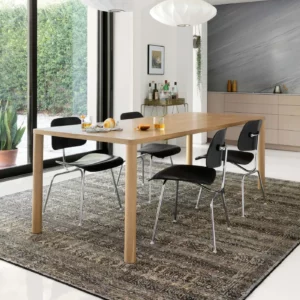
The dining room is the natural gathering hub of the home, hosting everything from weeknight family dinners to holiday celebrations. Placing an area rug beneath the dining table anchors the furniture, protects underlying hardwood or luxury vinyl floors from chair scratches, and softens the acoustics of lively dinner conversations. However, dining rooms are also where rug sizing mistakes happen most frequently. When a rug is too small, dining chairs catch awkwardly on the edge every time guests push back from the table. Following straightforward sizing, material, and placement guidelines ensures your dining room rug looks balanced and functions effortlessly.
The Golden Rule of Dining Rug Dimensions
The most important measurement in a dining room is not the size of the table alone—it is the footprint of the table when every chair is pulled out for seating.
Measuring for Chair Clearance
To prevent chair legs from dropping off the rug border or catching the edge when sliding backward, an area rug should extend at least 24 to 30 inches beyond all four sides of the dining table. For example, a standard 42-inch by 72-inch rectangular table requires a rug measuring roughly 8 by 10 feet or 9 by 12 feet to keep all chair legs comfortably on the rug surface during use. Before purchasing, use painter’s tape on the floor to outline the prospective rug dimensions and test pulling out the chairs to verify clearance around sideboards, buffets, and doorways.
Matching Rug Shapes to Table Geometry
Aligning the silhouette of the area rug with the shape of the dining table creates natural visual harmony.
- Rectangular Tables: Pair rectangular tables with rectangular rugs to mirror the room’s linear proportions and maintain consistent border margins on all sides.
- Round and Square Tables: A round table looks most cohesive centered over a round or square rug, allowing equal overhang around the entire perimeter.
- Custom Sizes for Unique Layouts: Historic homes and custom dining alcoves across North Chesterfield and Henrico occasionally feature narrow dimensions where standard pre-made rugs do not fit properly. Custom carpet binding allows homeowners to select any broadloom style and have it cut and finished to exact room measurements.
Selecting Spill-Resistant Materials for Dining Spaces
Because food crumbs and beverage spills are inevitable in dining areas, choosing a low-maintenance rug construction saves significant frustration. Avoid high-pile shags or delicate viscose weaves that trap crumbs and stain easily upon contact with liquids. Instead, opt for low-pile synthetic blends, durable wool, or tightly woven flat weaves that allow chairs to glide smoothly and release crumbs easily during routine vacuuming. Pairing the rug with a thin, non-slip rug pad keeps corners flat and prevents rippling under moving chairs. Homeowners interested in learning how our family-oriented team helps Central Virginia residents select the right custom or premade rugs can visit our About Us page.
A properly proportioned dining room rug brings warmth, architectural balance, and floor protection to every meal. Explore our wide selection of in-stock rugs and custom binding options in person by visiting our locations page to connect with a design specialist today.